Composite Decking
Composite Decking in Hobart
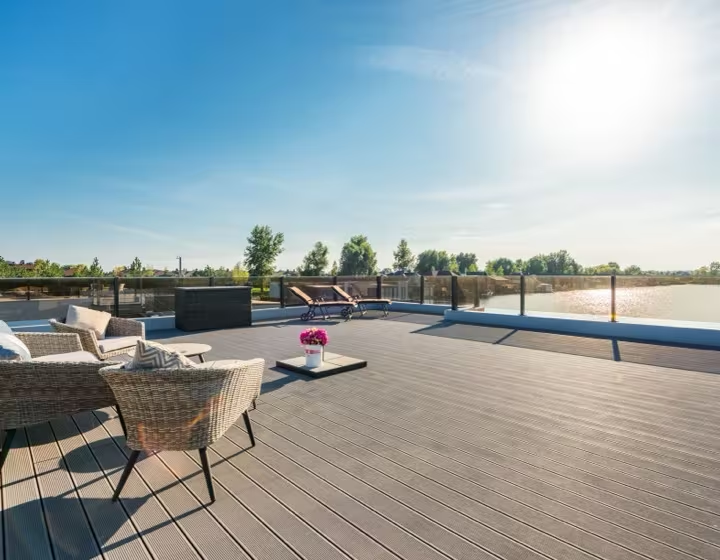
No annual oiling, no sanding, holds its colour through a Hobart winter. The trade-off is upfront cost, not ongoing effort.
Why people choose it
Built for people who want a deck, not a maintenance project
Composite decking is made from a mix of recycled timber fibre and polymer, which means it doesn’t rot, splinter, or need the annual oiling that hardwood does. For a deck that gets used year-round rather than sitting under a cover most of the year, that’s a real difference in how much work it asks of you.
It costs more upfront than treated pine and is comparable to or above hardwood, depending on the range. If budget is the main driver, it’s worth comparing against treated pine before deciding.
It’s also the material Ryan reaches for most often around water — see pool decking for why slip resistance and chemical tolerance make composite the practical default there.
Frequently Asked Questions
- Is composite decking worth the extra cost over timber?
- For most people, yes, if low maintenance matters to you — composite doesn’t need oiling or sanding, so the extra upfront cost is offset by years of skipped maintenance. If you specifically want the look and feel of real timber, hardwood is still the better call.
- Does composite decking get hot in summer?
- Darker composite boards can get warmer underfoot than timber on a hot, direct-sun day. Lighter colours and boards with a matte or wood-grain finish reduce this noticeably — worth discussing at the quote stage if your deck gets full afternoon sun.
- How long does composite decking last?
- Composite decking is generally rated for several decades of use, well beyond most timber options, with minimal upkeep beyond an occasional wash.

Considering composite for your deck?
Get a quote that compares composite against the alternatives for your specific block.
Get a Free Quote